

Surgical Intervention Trials Unit (SITU)
Currently, less than 5% of government funding for medical research goes into surgery
One of only nine Royal College of Surgeons specialist trial centres across the whole of the UK, SITU is a collaboration between the Nuffield Department of Surgical Sciences (NDS) and the Nuffield Department of Orthopaedics, Rheumatology and Musculoskeletal Sciences (NDORMS). We have an extensive portfolio of surgical trials and welcome expressions of interest from potential new researchers.

More information about NDS SITU and our work within surgical research can be found by following the links below.
About Us
Our Surgical Trials
Work With Us
|
NDS SITU Mission Statement |
|
NDS SITU Core Principle |
| We design, develop, and deliver high quality, innovative and impactful surgical trials using novel methodologies and technologies to shape the future of trial-based research and pave the way for evolution in clinical practice. | We have established a nurturing environment that promotes continuous learning and development for all of our staff and collaborators, and together we have an unfaltering dedication to implementing meaningful improvements in patient care and experience. |
The NDS SITU team
-
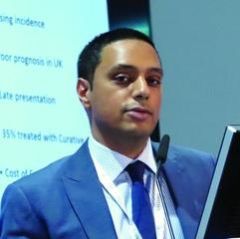
Sheraz Markar
Professor of Upper Gastrointestinal Surgery and Director of NDS SITU
-
-
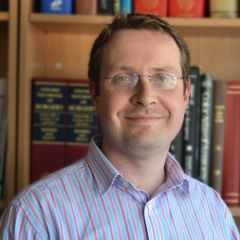
Michael Douek
Professor of Surgical Sciences & Breast Cancer, Academic Director of NDS SITU
-
-
-
-
-
-
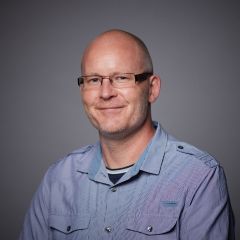
Charles Malyon
Clinical Trial Manager
-
-
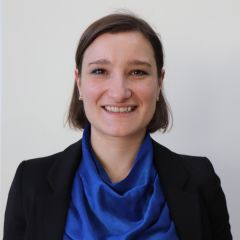
Alice Guazzelli
Clinical Trial Manager
-
Melody Chin
Clinical Trial Manager - DISCUS
-
-
Laura Lloyd Jones
Clinical Data Manager
-
Martyn Hill
Statistician
-
Alison Horne
Data Manager
-
-
Sarah Crosweller
Clinical Trial Manager
-
-
Mahesha Beckford-Britton
Clinical Trials Assistant














Latest News
The NIHR recently interviewed Rachel Rolph, Chief Investigator of the Restore-B trial into whether mesh should be used in breast reconstruction after surgery for breast cancer. Read the Q&A.

Latest publications
Association between deep cervical lymph node dissection and dementia incidence in patients with head and neck cancer: a systematic review
Journal article
Omar M. et al, (2026), European Journal of Plastic Surgery, 49
Resilience Engineering concepts, Safety-II language, FRAM practice, and co-creating communities: how Hollnagel reshaped patient safety
Journal article
Sujan M. et al, (2026), Safety Science, 200
Longitudinal multiomics profiling of extracorporeal cross-circulation with pig liver xenografts in human decedents
Journal article
Guo Q. et al, (2026), Nature Medicine
CAR T cell therapy selectively depletes disease-driving mutant calreticulin cells in xenotransplants and human organoid models of myelofibrosis.
Journal article
Rampotas A. et al, (2026), Sci Transl Med, 18