

Edwards Group | Bone Oncology
We aim to identify the mechanisms contributing to bone disease caused by cancer and develop new treatments for these conditions.

Metastasis of cancers to bone
Cancer-induced bone disease is a characteristic feature of several types of cancer, including the hematological malignancy multiple myeloma, and other tumours that metastasise to bone such as breast, prostate and lung. In addition to the development of debilitating skeletal complications, the bone marrow provides a unique hospitable microenvironment, and once tumours become established in bone, they are largely unresponsive to treatment.
The overall goal of our research is to elucidate the cellular and molecular mechanisms that contribute to disease pathogenesis, and so identify and validate novel therapeutic approaches. Our focus is on the role of the tumour microenvironment and tumour-host interactions.
Major ThemeS
- Obesity, adipocytes and adipokines in tumour growth and cancer-induced bone disease
- Aging, senescence and dormancy in the tumour-bone microenvironment
- Metabolism in the prostate cancer-bone microenvironment
- Using microfluidics to study the tumour-bone microenvironment
- Circulating tumour cells in prostate cancer bone metastasis.
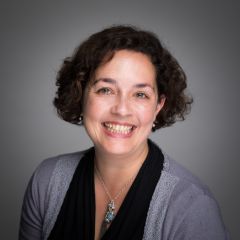
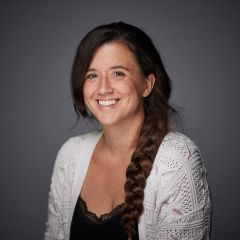
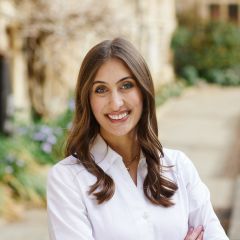
Our team
-
Claire Edwards
Professor of Bone Oncology & Director of Graduate Studies for NDS
-
Beatriz Gamez Molina
Postdoctoral Research Associate
-
Renee Ormsby
Postdoctoral Researcher in Bone Oncology
-
Sophia Marie Abusamra
DPhil Student
-
Emma McGregor
Research Assistant in Bone Oncology
-
Ahmed Alkhateeb
DPhil student
-
Brittany Johnson
DPhil Student
-
Danielle Whipp
DPhil student in Bone Oncology



Collaborators
- Professor Freddie Hamdy
- Professor James Edwards
- Dr Srinivasa Rao
- Professor Ian Mills
- Dr Ed O'Neill
- Professor Edmond Walsh
- Professor Colin Goding
- Professor Jason Davis
- Professor Alastair Lamb
- Professor Udo Oppermann
- Professor Adam Cribbs
- Professor Katja Simon
- Professor Ester Hammond
- Professor John Christianson
- Dr Sarah Gooding
- Dr Karthik Ramasamy
- Professor Peter Cook
- Professor Chris Bunce (University of Birmingham)
- Dr Michelle Lawson (University of Sheffield)
- Professor Nikki Horwood (UEA)