

Oxford Prostate Cancer Biology Group
The Prostate Cancer Biology Group focusses on metabolic pathways, spatial clonal biology, and developing multiplexed models to facilitate more accurate study of prostate cancer lethality.

Prostate cancer emerges from the cross-talk between genomic alterations, metabolic dysregulation and adaptive changes in the tumour micro-environment. In metastatic disease some genomic drivers have been identified but in order to more effectively risk stratify localised disease and treat high-risk disease effectively, it is important to fully characterise at a cellular and molecular level. As a translational lab comprising basic scientists and clinician scientists, we are addressing this challenge using spatial methods and clinical material to refine the pre-clinical models and target pathways that we focus on scientifically. Many of these pathways are regarded as enabling biologies, supporting cell survival under metabolic and oncogenic stress. Examples include the unfolded protein response and glycosylation. Our work on patient samples focuses on the in-depth profiling of small numbers of patient samples and we exemplify and validate our findings by participating in multi-institutional consortia (e.g., PPCG) and utilising large cohorts with long-term follow-up.
Areas of Research
Metabolic pathways and the unfolded protein response
Spatial clonal biology
Glycosylation and OGlcNAc transferase
PhenoCycler Multiplex Imaging
We welcome enquiries regarding our programme of work and possible positions in the group.
Funding
Our work is supported by grants from the Rosetrees Trust, CRIS Cancer Foundation, Larry Leeds, Eustace Wolfington, John Black Charitable Foundation, Cancer Research UK, Prostate Cancer UK, The Hanson Research Trust and the Prostate Cancer Foundation.
Our team
-
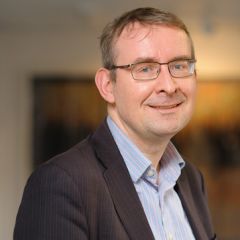
Ian Mills
John Black Professor of Prostate Cancer, Deputy Head of Department, Group Leader
-
Dimitrios Doultsinos
PCF Young Investigator (class of 2022) Research Fellow
-
Anette Magnussen
Senior Research Associate
-
Sandy Figiel
Postdoctoral Researcher
-
Renuka Teague
Project Manager & Study Co-Ordinator (GPS Project)
-
Sophia Marie Abusamra
DPhil Student
-
Thineskrishna Anbarasan
DPhil student and Clinical Training Fellow
-
Nithesh Ranasinha
NIHR Academic Clinical Fellow in Urology
-
Ágata Carreira
Marie Skłodowska-Curie Postdoctoral Fellow
-
Pedro Durao
Postdoctoral Researcher in Prostate Cancer Immune Modulation




Alumni
Francesca Amoroso
Ying Cui
Andrew Erickson
Charles Haughey
Alicia Hayes
Timothy Rajakumar
Oxford collaborators
Richard Bryant (NDS)
Jason Davis (Chemistry)
Claire Edwards (NDORMS/NDS)
Val Macaulay (NDS)
Eileen Parkes (Oncology)
Jens Rittscher (NDM)
Chunxiao Song (Ludwig)
Dan Woodcock (NDS)
External collaborators
Alastair Lamb (Barts Cancer Institute)
Andrea Alimonti (Bellinzona)
Lisa Butler (Adelaide)
Harri Itkonen (Helsinki)
Clementine Le Magnen (Basel)
Joakim Lundeberg (Stockholm)
Tuomas Mirrti (Helsinki)
Pete Nelson (Seattle)
Alfonso Urbanucci (Oslo)